

Last Updated: November 12, 2026
Quick Summary
To upgrade your daily routine, audit how you actually spend your time, then add one small habit at a time instead of changing everything at once. Build each habit so it takes under 10 minutes at first and tie it to something you already do, adding one new layer per week.
- Track one normal day in 30-minute blocks for two or three days, including a weekend.
- Pair a new action with an existing habit, like filling your water bottle after pouring coffee.
- Don't stack more than two new habits onto the same cue or all three tend to collapse.
- A healthy routine covers four basics: sleep, food, movement, and stress recovery.
- Review your routine once a week and make exactly one change at a time.
Table of Contents
- Why a Better Daily Routine Is Worth the Effort
- Step 1: Audit the Routine You Have Now
- Step 2: Set Manageable Goals and Intentions
- Step 3: Build Habits That Are Easy to Repeat
- A Daily Routine List for a Healthy Body and Mind
- How to Make a Daily Routine for Yourself: Examples That Fit Real Life
- How to Create a Routine When Depressed or Overwhelmed
- Track Progress, Adjust, and Keep the Routine Flexible
- Frequently Asked Questions
Why a Better Daily Routine Is Worth the Effort
A daily routine is a set of repeated actions you follow at roughly the same times each day. Research from Arlinghaus and Johnston's review on habits and routine links steady family routines to stronger social skills and better academic outcomes. That's the payoff. A good routine lowers the number of decisions you make before noon.

Many people want days that feel less chaotic without a total life overhaul. Here's the good news. You don't need a 5 a.m. wake-up or a perfect planner. Small, repeatable changes do more than dramatic ones.
Below, we'll show you how to upgrade your daily routine in six steps, with a sample week and a plan for hard days.
Step 1: Audit the Routine You Have Now
Before you add anything, write down what your day actually looks like. Most people guess wrong about how they spend their time.
Track one normal day in 30-minute blocks. Note three things for each block: what you did, how you felt, and whether it was planned. Do this for two or three days, including a weekend.
Then ask three questions:
- Which blocks drain your energy?
- Which blocks do you skip when stressed?
- Where is there dead time, like scrolling in bed?
You can browse the desktop whiteboard if you want your audit somewhere other than your phone.
Step 2: Set Manageable Goals and Intentions
Pick one or two changes, not ten.
Set an intention instead of a hard rule. "I want to feel less rushed in the morning" beats "I will wake up at 5 a.m." Intentions survive bad days. Rigid rules don't.
Try this filter before you commit:
- Does this take under 10 minutes at first?
- Can I do it on my worst day?
- Does it fix a problem I found in my audit?
If you answer no to any of these, shrink the goal until you can.
Daily time added per week in the staged routine upgrade plan
Step 3: Build Habits That Are Easy to Repeat
Habit formation works best when the action is tiny and tied to something you already do.
That's the whole trick. You're not building willpower. You're building a cue.
Start with a version so small it feels silly. One glass of water. Two minutes of stretching. One page of a book. Consistency matters more than size, and a habit you repeat daily beats a bigger one you quit by Thursday.
Habit Stacking and Environment Design
Habit stacking means pairing a new action with an old one: "After I pour my coffee, I fill my water bottle." The existing habit becomes the reminder.
Environment design means making the right choice the easy one. Put your walking shoes by the door. Keep your phone charger out of the bedroom. Set your gym bag where you'll trip over it.
Watch out: don't stack more than two new habits onto the same cue. When one anchor carries three new actions, all three tend to collapse together.
A Daily Routine List for a Healthy Body and Mind
A healthy daily routine covers four basics: sleep, food, movement, and stress recovery.
Here's a starter list you can adapt:
- Wake at the same time daily, weekends included
- Drink water before coffee
- Eat meals at regular times, with protein at breakfast
- Take a 10-minute walk after lunch
- Do one short movement block, even five minutes
- Schedule one screen-free wind-down hour before bed
- Write down one thing that went well
The Hydromate half-gallon bottle has hourly time markings and an easy-sip straw lid, so you can keep track of your water intake throughout the day.

Self-care counts here too. A few minutes of facial massage or stretching fits the stress-recovery slot. The Prosculpt gua sha tool is a simple option for that wind-down block.

The man is American.
How to Make a Daily Routine for Yourself: Examples That Fit Real Life
Your routine has to match your actual schedule, not an influencer's. Most advice assumes a fixed 9-to-5 with a predictable morning, which leaves out a lot of people. Below are three commitment tiers plus adaptations for schedules that break the standard template.
Low-commitment (15 minutes total):
- Same wake time daily
- Water bottle filled the night before
- 5-minute stretch before bed
Medium (45 minutes):
- Morning: water, protein breakfast, 10-minute walk
- Midday: movement break and a real lunch away from your desk
- Evening: 20-minute workout, screen-free wind-down
Higher-commitment (90 minutes):
- Morning: 20-minute workout, journaling, planned meals
- Midday: walk plus a focus block with notifications off
- Evening: reading, prep for tomorrow, lights out at a set time
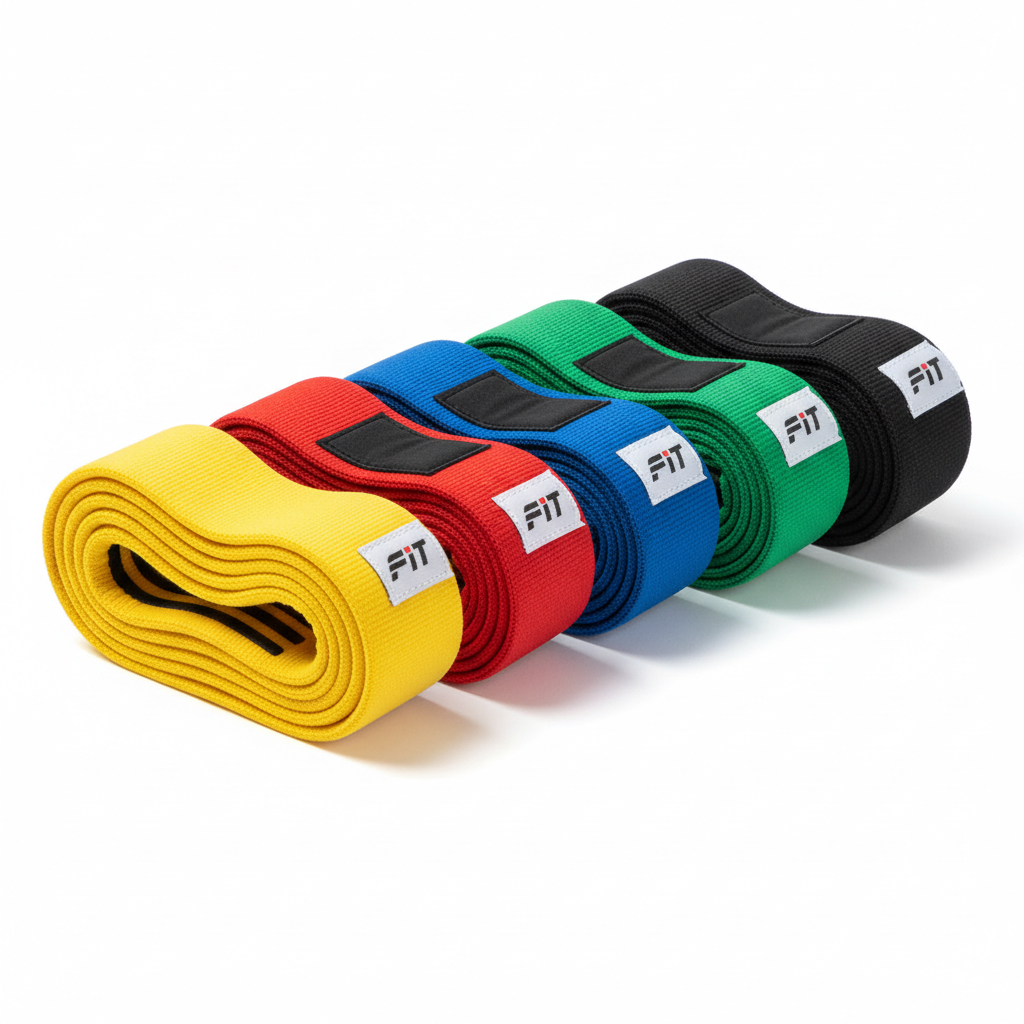
Resistance bands let you do the workout block at home without a gym. The 5-level resistance band set covers light to extra-heavy work and packs into a bag.
Adapting the Template to Nonstandard Schedules
A routine is a sequence of anchors, not a clock.
Shift work. Pick one "anchor sleep" block and protect it on every shift, even if the hours move.
Caregiving. Your routine has to fit inside the gaps, not around them.
Disability and chronic illness. Plan around energy, not time. A common pattern is to schedule the most important habit for your best-energy window and treat the rest as optional.
Variable energy and unpredictable weeks. Build a two-tier version of every habit: a full version and a floor version.
Limited time. Combine anchors instead of adding them.
Watch out: don't copy a routine from someone whose constraints don't match yours.
Sample Week: A Staged Upgrade Plan
Don't change everything on Monday. Add one layer per week.
| Week | Focus | What You Add | Daily Time |
|---|---|---|---|
| 1 | Sleep anchor | Same wake time, phone out of bedroom | 0 min |
| 2 | Hydration | Water before coffee, bottle on desk | 2 min |
| 3 | Movement | 10-minute walk after lunch | 10 min |
| 4 | Meals | Regular meal times, protein at breakfast | 0 min |
| 5 | Stress recovery | 5-minute breathing or stretching block | 5 min |
| 6 | Focus | One 25-minute distraction-free work block | 25 min |
| 7 | Review | Keep what works, drop what doesn't | 15 min |
By week seven you have a full routine, built one small piece at a time. If your schedule is nonstandard, run the same sequence but anchor each layer to a recurring event in your day, wake-up, a shift start, a caregiving handoff, rather than to a clock time.
How to Create a Routine When Depressed or Overwhelmed
Shrink the routine until it fits the day you're actually having. On hard days, the goal is not a good routine. The goal is one kept promise to yourself.
Start with an anchor habit: getting out of bed and drinking water. That's it. Add nothing else until that feels automatic.
Three rules that help:
- Do the two-minute version, not the skipped version
- Keep the same wake time even when everything else slips
- Count showing up, not performance
If low mood, exhaustion, or anxiety keeps disrupting your days for weeks, talk to a doctor or mental health professional. A routine supports treatment. It doesn't replace it.
Track Progress, Adjust, and Keep the Routine Flexible
Check your routine once a week, not once a day. Daily scorekeeping turns a habit into a test you can fail, and a missed day says almost nothing about whether the habit is working.
A Simple Tracking Method
Pick one method and keep it for at least three weeks. Switching trackers every few days is its own form of quitting.
- Paper tally. A notebook or wall calendar with one mark per completed habit. Fast, visible, and hard to ignore.
- Phone notes. A single note with a short daily line: date, habits kept, one word on how the day felt.
- Habit app. Useful if reminders help you; skip it if the app becomes another thing to manage.
- Wearable. A smartwatch with heart rate tracking and message alerts can log movement and sleep while keeping reminders on your wrist. The Bluetooth smartwatch covers both without a separate tracker.
Track the habit, not the outcome. "Walked after lunch" is trackable; "felt healthier" is not. Outcome measures move too slowly to guide weekly decisions.

The Weekly Review
Set a recurring 10-minute slot, Sunday evening works for many people, and answer four questions:
- Which habits did I keep on most days?
- Which one keeps slipping, and what got in the way?
- Was the slip a scheduling problem, an energy problem, or a motivation problem?
- What gets cut, shrunk, or moved this week?
Then make exactly one change. Adjusting three things at once makes it impossible to tell what helped.
Adjustment Rules That Prevent Quitting
Use these rules instead:
- Two misses in a row is a signal, not a failure. Shrink the habit to its floor version before you consider dropping it.
- Move before you remove. If a habit keeps failing at 6 a.m., try it after lunch before you cut it.
- Keep the anchor, change the action. If stretching isn't sticking but the post-coffee cue is, swap in a different two-minute action on the same cue.
- Retire deliberately. If a habit has failed for three straight weeks despite shrinking and moving, drop it and note why. A deliberate cut is different from a quiet quit.
- Protect the streak of anchors, not habits. Keeping your wake time through a chaotic week is a win even if everything else slipped.
When to Expect Change
Habit formation timelines vary by person (Time to Form a Habit). Treat the first month as data collection rather than a test, and judge progress by how many days you showed up, not by how quickly the routine felt effortless.
Expect to adjust. A routine that survives a schedule change, a sick kid, or a busy work week is a good routine. A perfect one that breaks under pressure isn't.
Most people try to upgrade their daily routine all at once, and that's exactly why it fails.
Get started with TreasurTrove and build a routine you can actually keep.
Frequently Asked Questions
How do I improve my daily routine without overhauling everything at once?
Change one thing at a time. Start with one small change each week and attach it to a habit you already have, such as drinking a glass of water while your coffee brews. A daily routine built from small changes is easier to sustain, and each success gives you momentum for the next upgrade.
What should a daily routine list include for a healthy body and mind?
Cover the basics first: a consistent sleep schedule, regular meals, hydration, and some physical activity. Then add one or two items for mental wellbeing, such as a short walk, a few minutes of reflection, or a screen-free block for focused work. Keep the list short enough to finish on a bad day. A daily routine list with eight items you skip is worth less than one with four you actually complete.
How can I create a routine when depressed or feeling overwhelmed?
Lower the bar until the step feels almost too easy. Start with a single anchor point, like getting out of bed and opening the curtains at the same time each morning, then build outward from there. If low mood persists or makes basic tasks hard, talk to a healthcare professional for support tailored to you.
How long does it take for a new routine to stick?
There is no fixed number of days for a new habit to take hold, as timelines vary by person. Expect weeks, not days, for a new behavior to feel automatic. Track your consistency rather than counting days, and adjust the routine when life gets in the way instead of abandoning it.


